Available for Work

Meet the man behind the work

6+
Years in product design
1M+
Users on xChief
2x
MoM growth, SostavCheck
600+
Designers mentored
I’m George — a product designer with 6+ years of experience shipping digital products that stay clear and scalable as priorities shift.
I work across complex web & mobile products — from the first user flow to the design system that makes them scale. The kind of products where bad UX and a broken foundation aren’t separate problems, they’re the same one.
I’ve shipped award-winning interfaces, built design systems from atoms to flows, and designed for products with over a million users.
I also build products. SostavCheck — a live ingredient analysis tool — is something I designed and shipped end-to-end. Because nothing teaches you what actually matters in a product like owning the whole thing.
If that sounds familiar — let’s talk. Open to full-time remote product roles, relocation to Central Europe, and selected freelance collaborations.
Meet the man behind the work
6+
Years in product design
1M+
Users on xChief
2x
MoM growth, SostavCheck
600+
Designers mentored
I’m George — a product designer with 6+ years of experience shipping digital products that stay clear and scalable as priorities shift.
I work across complex web & mobile products — from the first user flow to the design system that makes them scale. The kind of products where bad UX and a broken foundation aren’t separate problems, they’re the same one.
I’ve shipped award-winning interfaces, built design systems from atoms to flows, and designed for products with over a million users.
I also build products. SostavCheck — a live ingredient analysis tool — is something I designed and shipped end-to-end. Because nothing teaches you what actually matters in a product like owning the whole thing.
If that sounds familiar — let’s talk. Open to full-time remote product roles, relocation to Central Europe, and selected freelance collaborations.
Meet the man behind the work
6+
Years in product design
1M+
Users on xChief
2x
MoM growth, SostavCheck
600+
Designers mentored
I’m George — a product designer with 6+ years of experience shipping digital products that stay clear and scalable as priorities shift.
I work across complex web & mobile products — from the first user flow to the design system that makes them scale. The kind of products where bad UX and a broken foundation aren’t separate problems, they’re the same one.
I’ve shipped award-winning interfaces, built design systems from atoms to flows, and designed for products with over a million users.
I also build products. SostavCheck — a live ingredient analysis tool — is something I designed and shipped end-to-end. Because nothing teaches you what actually matters in a product like owning the whole thing.
If that sounds familiar — let’s talk. Open to full-time remote product roles, relocation to Central Europe, and selected freelance collaborations.
Cosmetic ingredient analysis that turns INCI lists into clear answers. Designed and built solo from zero
Cosmetic ingredient analysis that turns INCI lists into clear answers. Designed and built solo from zero
Go to SostavCheck
65k+
Total visits
30k+
Analyses run
5min
Average session
$0
Marketing budget
Most people have no idea what’s in their skincare. The ingredient list on the back of a bottle reads like a chemistry exam — but users don’t need a chemistry lesson. They need to know what looks safe, what deserves attention, and why.
That became the starting point for SostavCheck: fast ingredient-level clarity without turning the answer into a black box.
The product challenge
Give people a fast answer — without pretending it is simple
Fast clarity
Score + risk per ingredient
No runtime guessing
Fixed database records
Built to improve
Feedback + admin loop
The first version deliberately focused on the smallest useful layer: detect ingredients, explain risk level, and make the result easy enough to understand in one scan. The goal was not to out-feature every existing checker from day one — it was to build a cleaner foundation users could actually trust.
System thinking
AI helped build the system. It doesn’t improvise the answer
CosIng / ECHA data
Official sources
Risk levels and rules
Internal logic
Readable, not magical
Clear UI
SostavCheck is not a runtime AI checker. AI was used where it made sense: to speed up research, cleanup, classification, and description work while building the ingredient base. The result users see is produced from fixed records, source-backed data, and internal product logic that can be reviewed, corrected, and improved over time.
The database was the product
Before making UI feel simple, the data had to become structured
10
AI models tested
20
Prompt iterations
70h+
Dataset work
33k+
Ingredients in database
The hardest part was not drawing the result screen. It was turning messy CosIng and ECHA data into a controlled product foundation.
That foundation made the simple experience possible: paste a composition, get a clear answer, and keep improving the system without regenerating results from scratch.
Current product
The first useful layer: paste, analyse, understand
Key decisions
The interface had to make risk visible without scaring users
A score for scanning
The overall score gives users a fast first read, but it does not replace the ingredient breakdown.
Ingredient-level clarity
Each ingredient still gets its own risk level and explanation, because the “why” matters.
Plain language
Descriptions translate source-backed information into something regular users can understand.
Profile & history
Designing the account layer, not just the analysis flow
Account layer
The profile brings account settings, saved checks, and personal actions into one clear place.
Saved results
Past checks open as exact historical results, so users can return without running a new analysis.
User control
Users can manage account options and clear their check history when they no longer need them.
Beyond the check itself, I built a profile layer that makes SostavCheck feel persistent: users can return to previous analyses, manage their account, and keep control over saved results.
Behind the product
Building the product also meant creating a way to improve it
The admin side tracks feedback, ingredient ratings, missing ingredients, manual corrections, and database edits — turning user behaviour into a practical improvement loop.
Next evolution
From ingredient-level clarity to formula-level interpretation
Formula intensity
Shows how active or overloaded the formula feels, not just whether single ingredients look risky.
Formula safety
Shows the overall safety level while keeping the reasons visible through risks, groups, and ingredient details.
Active ingredients
Shows and explains the main functional ingredients behind the formula’s likely effects.
Cumulative load
Estimates when multiple low or medium risk ingredients may create a stronger combined concern.
Suitability
Helps explain who the product may fit better based on skin needs, concerns, and formula profile.
Compound conflicts
Detects ingredient combinations that may reduce effectiveness or increase irritation risk together.
The next layer is not “more features” for the sake of it. It is a shift from explaining ingredients one by one to understanding how the formula behaves as a system: activity, intensity, cumulative load, conflicts, risks, and suitability.
What have I learned?
Owning the whole product changes how you think. When you’re the one parsing the database, writing the logic, designing the screens, shipping the build, and reading the metrics the next morning — every decision gets real fast. There’s no PM to blame, no handoff to hide behind. Just the product and the users.
That kind of accountability doesn’t just make you a better builder. It makes you a better designer — because you stop treating design like a deliverable and start treating it like a consequence. Every screen I shipped on SostavCheck taught me something a client project never could. Because when it’s yours, you can’t move on until it’s right.
DesignRush Award Winner
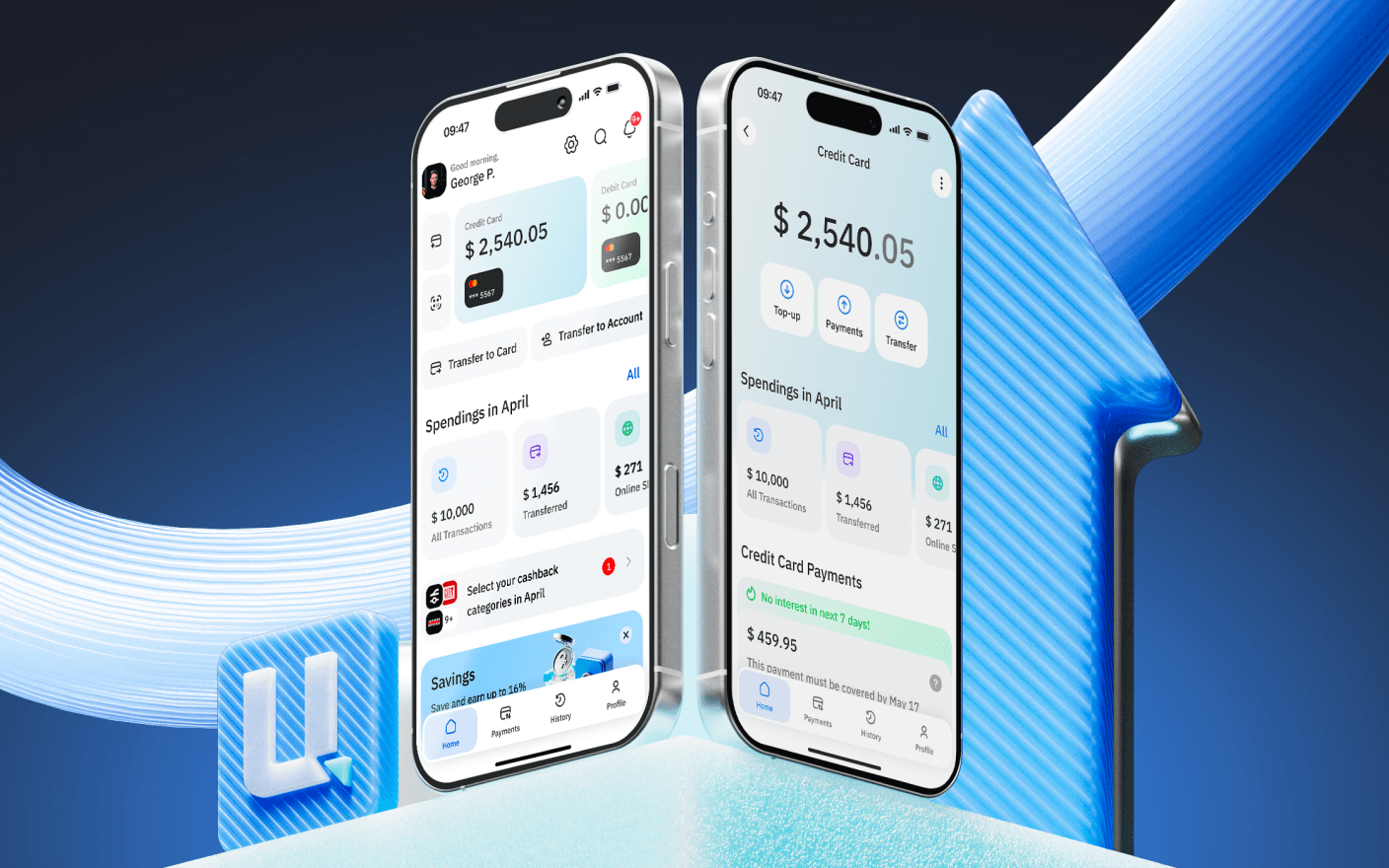
The UnitBank case is not ready yet, but you can see it on Behance
The UnitBank case is not ready yet, but you can see it on Behance
See on Behance